

Gua Sha vs. "Scraping"
Understanding the Difference Between Traditional Chinese Medicine and Modern Soft Tissue Therapy
If you've ever seen someone walk out of a treatment room with red streaks across their back or watched an athlete receive treatment with a stainless steel tool, you've probably heard one of two things:
"That's Gua Sha." Or... "They're scraping."
While the two techniques may look similar, they are not exactly the same. As someone who has spent years in both Kinesiology and now Traditional Chinese Medicine, I think it's important to understand that although these techniques share a common ancestor, they're practiced with different intentions, philosophies, and different treatment goals in mind.
Neither is "better." They're simply answering different questions. Let's talk about it!!
First, What Is Gua Sha?
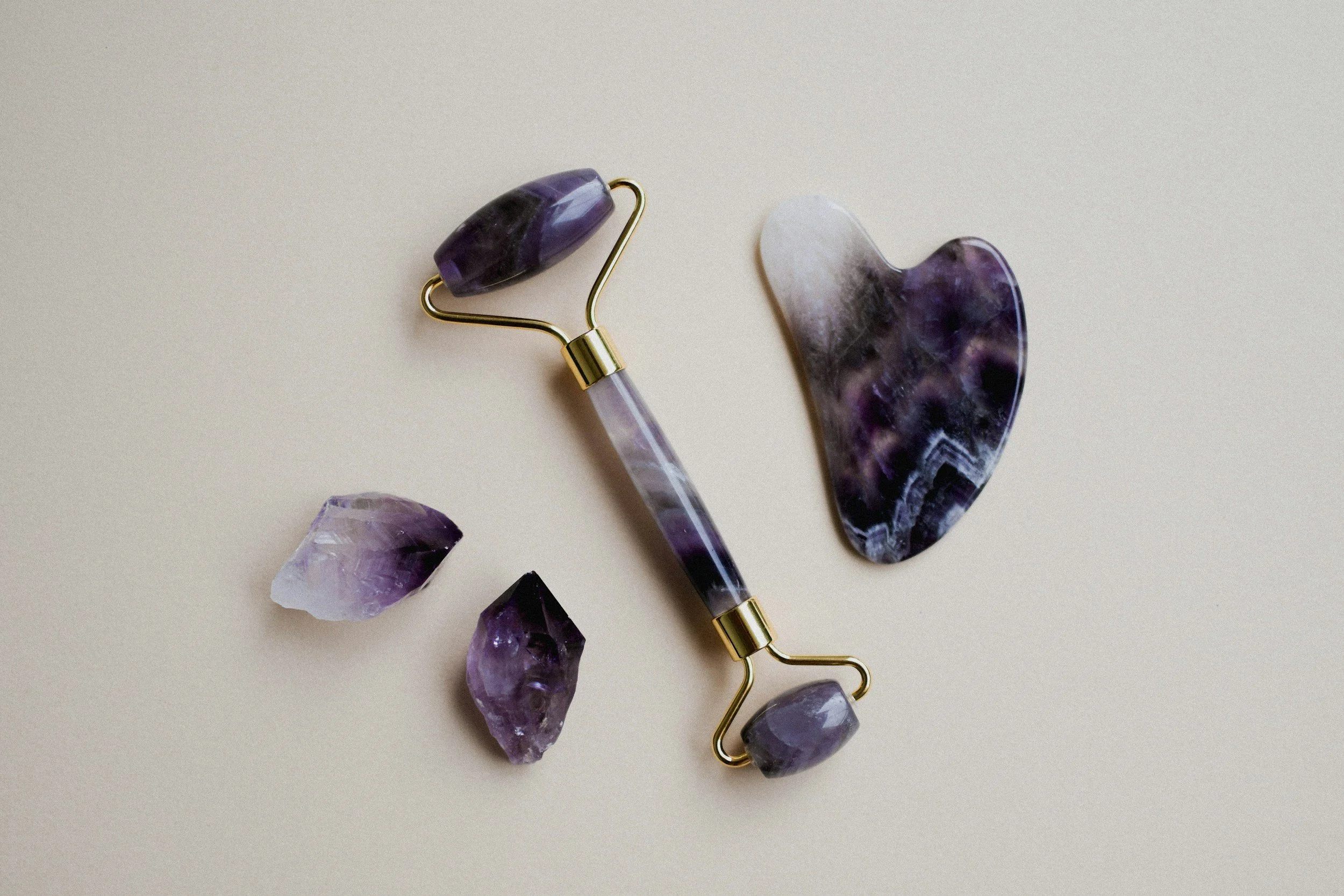
Gua Sha (刮痧), which translates roughly to "scraping away stagnation," is a therapeutic technique rooted in Traditional Chinese Medicine (TCM) that has been practiced for centuries. Traditionally, a practitioner uses a smooth-edged tool made from materials like jade, horn, ceramic, or stone to repeatedly stroke lubricated skin. The goal here isn't simply to release a tight muscle.
In Traditional Chinese Medicine, Gua Sha is used to:
Promote the smooth movement of Qi
Encourage healthy circulation of Blood
Disperse stagnation
Release external pathogenic factors
Reduce pain
Support the body's natural healing processes
Rather than treating only the painful area, a practitioner considers the entire body. The treatment is guided by pattern diagnosis not by anatomy.
So... What Is Scraping?
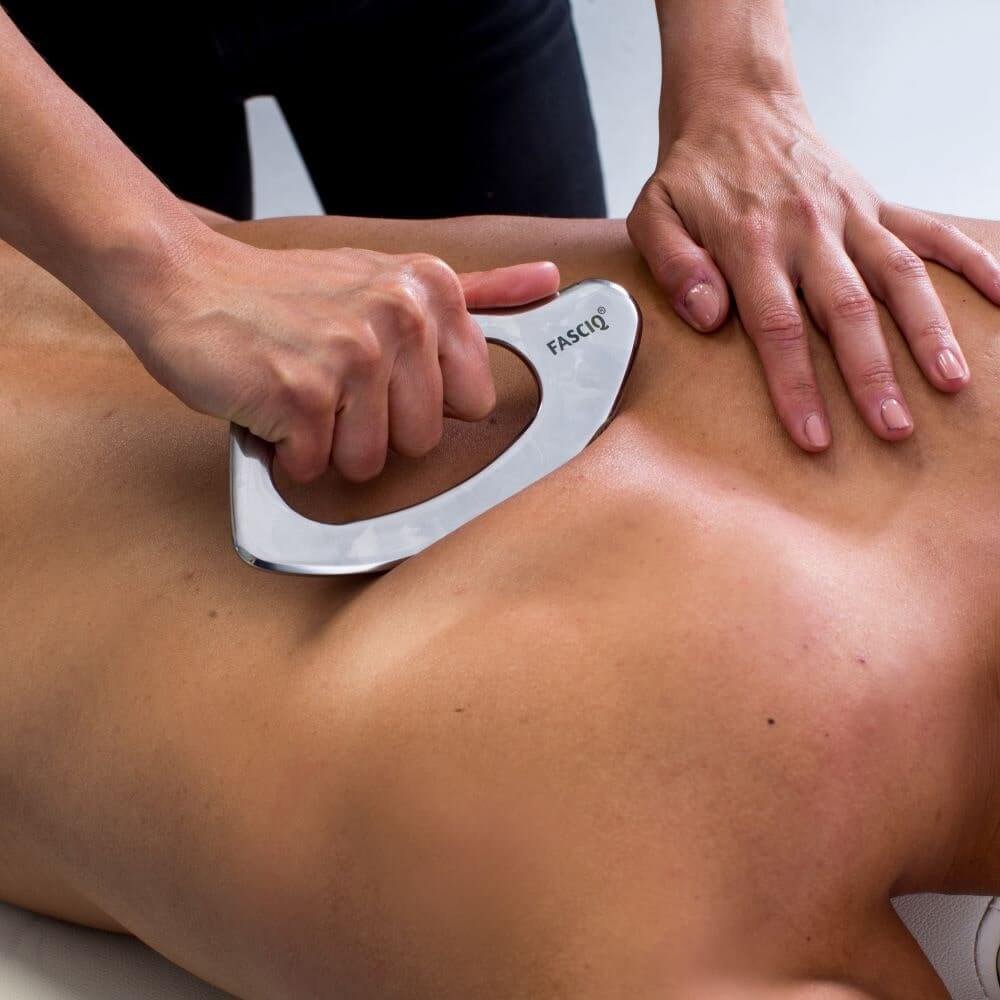
Modern scraping often referred Instrument Assisted Soft Tissue Mobilization; is commonly used by athletic trainers, physical therapists, chiropractors, massage therapists, and rehabilitation professionals. The goal here is different.
Instead of working through the lens of Qi and meridians, practitioners are looking at:
Fascia
Scar tissue
Soft tissue restrictions
Mobility
Range of motion
Tissue remodeling
Pain reduction
Functional movement
The stainless steel tools many people recognize are designed to help clinicians identify areas of tissue restriction while providing controlled mechanical stimulation to muscles and connective tissue.
Scraping is commonly used for conditions such as:
Tendinopathy
Plantar fasciitis
Tennis elbow
Scar tissue
Shoulder restrictions
Muscle tightness
Athletic recovery
Modern scraping is focused on improving tissue quality and restoring movement.
They Look Similar... Because They Are
This is where things get interesting. Modern scraping techniques were heavily inspired by Gua Sha.
The movement of the tool across lubricated skin...
The appearance of redness...
The repetitive strokes...
They're visually very similar. However, the reasoning behind them is different. One is rooted in Traditional Chinese Medicine. The other is rooted in anatomy, biomechanics and kinesiology.
Traditional Chinese Medicine vs. Western Medicine
One of my favorite things about studying both Kinesiology and Chinese Medicine is realizing they don't have to compete. They're simply different languages describing the human body.
Traditional Chinese Medicine asks:
Where is Qi stagnating?
How is Blood moving?
Which meridians are involved?
What pattern is presenting?
Western rehabilitation asks:
Which tissues are restricted?
What movement patterns are dysfunctional?
Is there inflammation?
How can we restore function?
One system speaks through energy, pattern recognition, and whole-body relationships. The other speaks through anatomy, biomechanics, physiology, and evidence-based rehabilitation. Both are trying to answer the same question: How do we help someone move with less pain?
Why Do Both Leave Red Marks?
One of the biggest misconceptions is that the redness means bruising. Not necessarily. The temporary redness seen after Gua Sha or scraping is largely due to increased blood flow and the release of tiny superficial capillaries near the skin's surface. In Traditional Chinese Medicine, these marks are often referred to as sha and are interpreted as the release of stagnation. In Western rehabilitation, the redness is viewed more as a local physiological response to mechanical stimulation and increased circulation. Different explanation. Similar observation.
Which One Should You Choose?
Honestly...
It depends on your goals!
If you're looking for a treatment grounded in Traditional Chinese Medicine that considers your whole-body presentation, Gua Sha may be an excellent option.
If you're recovering from a sports injury, working through scar tissue, or trying to improve range of motion after an orthopedic injury, modern scraping may be more appropriate.
Sometimes they're even complementary.
As practitioners continue learning across disciplines, many are discovering that integrating Eastern and Western perspectives allows us to provide more thoughtful, individualized care. Because people aren't just muscles and they aren't just meridians. They're both.
A Few Things to Know Before Treatment
Neither Gua Sha nor scraping should feel unbearable. IT SHOULD NOT BE PAINFUL.
You may experience temporary redness, tenderness, or mild soreness afterward, but treatments should always be performed by someone trained in the technique.
These therapies may not be appropriate for everyone, especially individuals with bleeding disorders, certain skin conditions, active infections, or those taking blood-thinning medications. Always let your healthcare provider know about your medical history before treatment.
Curious about incorporating Gua Sha or scrapping into your wellness routine?
At Zena, we believe healing isn't about choosing sides. It's about choosing curiosity. There is wisdom in ancient practices as well as value in modern rehabilitation. Sometimes the most meaningful care happens when we allow both conversations to exist at the same table.
Whether you call it Gua Sha or scraping, the goal is ultimately the same:
To help the body move more freely, reduce pain and restore connection.
Whether you're recovering from an injury, navigating chronic tension, or simply looking to move with greater ease, remember that every body is different. Seek care from a qualified practitioner who can tailor treatment to your needs and goals.
Movement is medicine. So is intention. And sometimes, healing begins with understanding the "why" behind the practice.
